






 0422 044 436
 RestricTED kEY SYSTEM
Do You Need a Locksmith?
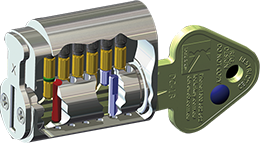
Take Control of Your Security with a NewGen Restricted Key System
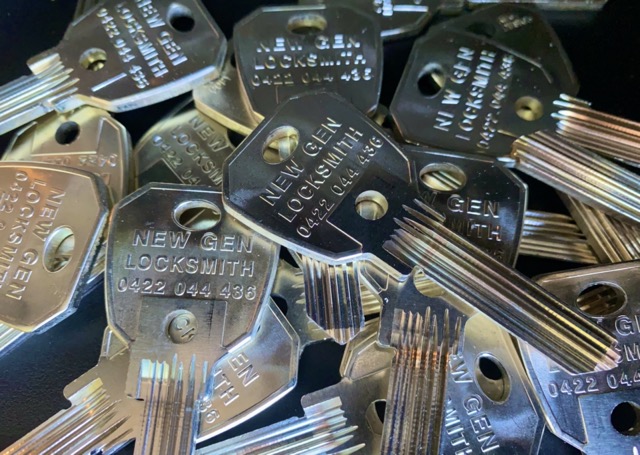
If you’re serious about protecting your home or business, it’s time to upgrade to a restricted keying system. Unlike standard, non-restricted keys that can be easily duplicated at most hardware stores without your knowledge, a registered key system is designed to give you complete control over who can copy your keys and access your property. Each key is legally protected and can only be duplicated by authorized providers with proper identification and documentation, eliminating the risk of unauthorized copies circulating.
Restricted key systems also use advanced, patented key profiles that are not available to the general public, making them significantly more resistant to picking, bumping, and manipulation. For business owners, this means tighter control over staff access, the ability to structure master key systems with precision, and the confidence that former employees cannot secretly duplicate keys. For homeowners, it provides peace of mind knowing that lost or borrowed keys cannot be copied without your consent.
With NewGen Locksmith’s registered keying solutions, you’re not just changing locks — you’re investing in a higher standard of security, accountability, and long-term protection that standard keys simply cannot match.
Call us today for a free quote.
Restricted vs Non-Restricted Keys: Weighing the Pros and Cons
When comparing a restricted key system to standard non-restricted keys, the differences come down to control, security, and long-term management.
The biggest advantage of a registered system is key control. Restricted keys cannot be copied at hardware stores or kiosks; duplication is legally controlled and only available through authorized providers with proper identification. This dramatically reduces the risk of unauthorized copies being made without your knowledge. They also use patented or controlled key profiles, which typically offer better resistance to picking, bumping, and manipulation. For businesses, restricted systems allow structured master key setups with clear access levels, making it easier to manage staff access and maintain accountability. For homeowners, they provide peace of mind that lost or loaned keys cannot simply be duplicated.
On the downside, restricted systems usually have a higher upfront cost for both cylinders and keys. Replacement keys must be ordered through the authorized locksmith, which can take longer than cutting a standard key locally. You may also need to provide identification or authorization to have additional keys made, which adds process but also reinforces security.
Non-restricted keys are cheaper and more convenient to duplicate, but that convenience is also their biggest weakness, as anyone with temporary access can potentially make copies without your knowledge.
What to Ask For When Choosing a Registered Keying System
When asking for a registered (restricted) keying system, it’s important to be clear about both security and long-term control. Start by asking whether the system is truly restricted and legally protected, meaning key duplication is controlled by patent, design registration, or contractual agreement and can only be cut by authorized dealers with written approval.
Ask who controls key duplication and what the process is for ordering additional keys. You should confirm that keys require identification and signature authorization, and that you (or your nominated representative) are the only person who can approve copies. Clarify whether you will receive a unique key profile allocated specifically to you, rather than a shared profile used across multiple customers.
You should also ask about master keying options and whether the system can be expanded in the future if you renovate, add doors, or grow your business. Enquire about the expected lifespan of the system and whether the key profile is protected long term or nearing patent expiry.
It’s wise to confirm record keeping procedures, such as whether the locksmith maintains a secure key register, and what happens if an authorization card is lost. Finally, ask about lead times for replacement keys and cylinders, warranty coverage, and whether the system complies with relevant security or insurance requirements for your property.